

 |
 |
|
 |
|
 |
|
 |
|
 |

Infonetics Researchのサービスメニュー

インフォネティクス・リサーチ社が提供するサービスとは
米国市場調査会社インフォネティクス・リサーチ社(Infonetics Research)は、データネットワーク市場および通信市場において供給サイドおよび需要サイドの観点から分析している定量および定性的分析のサービスを提供致します。Infonetics社のサービスは、市場における様々な分野の方 (システム機器ベンダー、ソフトウェアベンダー、通信事業者、半導体メーカーおよびコンポーネントベンダー、検査および計測器メーカー、そして金融機関) に利用されています。
継続調査サービス(CRS)
Infoneticsの継続調査サービス(Continuous Research Service)では、興味深く、時宜にかない洞察力のあるレポートを年間を通して継続的に提供致します。このサービスは、
- 素早くビジネス上の戦略的な意思決定をする、情報通の専門家の意見に基づき御社の製品およびサービスのポジショニングをする、急速に変化する市場において競争上の優位を保つ、手助けを致します。
- 注目のトピックや機器ベンダーの評価を含みます。
- 重要な技術のシフト、注目に値する地域の活動、重点製品に関する発表、重要な合併及び買収活動、等々といった注目されている市場において最も関連のある話題について取り扱っています。
“Packet-Optical Deployment Strategies: Global Service Provider Survey
July 2, 2010
TOP TAKEAWAYS
- Service providers define packet-optical as the unification of the optical, circuit, and packet layers into one piece of optical hardware. This is a more narrow definition than many vendors use, and it eliminates many vendors’ equipment from this classification.
- Service providers that disagree with this definition (or those that claim no need for P-OTS at all) typically have little or no circuit traffic, and de-emphasize the importance of TDM. Cable operators, competitive broadband providers, and operators of IP transit networks are good examples of this type of customer.
- There is little agreement on what the primary goal of installing P-OTS equipment should be. Service providers have different objectives when deploying P-OTS equipment, depending on technology decisions made previously and the current traffic mix carried.
- We asked respondents which P-OTS features they use or will use for metro aggregation applications and core networks.
- P-OTS systems must support 40/100G to be deployed in the core network, and some service providers plan to use these speeds in the metro as well.
- OTN switching is a clear requirement for P-OTS equipment; OTN is or will be used by many more respondents than support for legacy TDM, in the metro and the core.
- ROADM is still primarily used in core P-OTS for add-drop, ring interconnect, and mesh connections, with more add-drop application in the metro than mesh or ring interconnection.
- ODU-flex is or will be used in the metro and core networks of 56% and 67% of respondents, respectively.
- Layer 2 switching with a central packet fabric is not used by many; aggregation on a single card is used by more. Service providers de-emphasize the importance of robust L2 features in P-OTS equipment across all categories, including support for MPLS-TP. “
| トップに戻る |
Infoneticsは、この17年の間に作り上げられ洗練された実証済みの予測プロセスを使用します。
- Infonetics社の予測は、様々な角度からインタビューした結果と専門的且つ長い経験によるデータとから構築されております。Infonetics社はアップデートするのが妥当なレポートが発行される毎に事実を再チェックし短期及び長期予想を見直します。
- 当社の綿密な需要サイドリサーチ、供給サイドリサーチ、およびサービスや製品や技術の知識に基づいて、市場の全ての面からのデータを反映した正確で信頼できる予測をご提供致します。
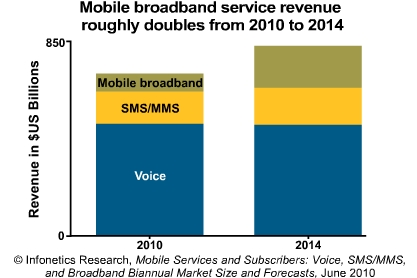
Infoneticsの随時(タイムリー)、四半期毎、半年毎、および1年毎のサービスは
- 通信事業者(service provider)、企業および消費者市場における通信機器機器、サービス、および加入者の規模や予測
- 全世界の、地域の、及び国別に選択した分析と予測
- カテゴリー別に記録したベンダーや製品を示す製品分類
- 市場の基本的要因、トッププレーヤ、セグメント分析、製品開発、および顧客獲得を含む定量分析
- 需要サイドへのインタビューから得られるハイライト
- 通信事業者の設備投資(Capex)から通信・データコム市場へのインパクト
マーケットサーベイおよび分析
Infoneticsは重要な通信およびデータネットワーク市場や技術に関する綿密なマーケットサーベイおよび分析を提供してきた長い歴史があります。当社のサーベイリサーチは
- 通信事業者やエンドユーザー対してより効率的に計画を立ててマーケティングをし、販売をする
- 買い手が製造業者や接続サービス会社(service provider)や製品やサービスを選択するために使用する基準で会社や製品をポジショニングする
- 買い手が欲しい物リストに書き込むような製品やサービスを開発してより効率的に競争して収益を増大させる
調査リサーチサービスにはスポンサーからの特別リサーチテーマを含んで行う事も可能です。
通信事業者(service provider) 向けには
Infonetics社の通信事業者(service provider)向けのマーケットリサーチでは
- 世界中の代表的通信事業会社(telcos)、競合電気通信会社(telcos)、MSOsおよび携帯電話事業者(mobile operators)の詳細な調査。
- 重要市場および技術におけるトレンド、要因、障壁、戦略に関する綿密な定量および定性分析
- 購入プロセスや購入トレンドを含む現在の買い手の考え
- トップ機器ベンダーによる通信事業者(service provider)の評価(クライアントが競争に対する姿勢を示したり強みを強調したりするために使用できるスコアカードを含む)
- 接続サービス会社(service provider)間におけるタイプや地域による違いの分析(北アメリカ、ヨーロッパ、アジア太平洋、ラテンアメリカ/カリブ地域を含む)
- 戦略的マーケティングと製品に関する提言
エンドユーザー
Infonetics社のエンドユーザーマーケットリサーチ研究は:
- いくらかの垂直分析を含んだ北アメリカにおける小・中・大規模組織についての詳細な調査
- 重要市場および技術におけるトレンド、推進力、障壁、戦略に関する綿密な定量および定性分析
- 購入プロセスや購入トレンドを含む現在の買い手の考え
- 上位販売業者(top vendors)による接続サービス会社(service provider)の評価(クライアントが競争に対する姿勢を示したり強みを強調したりするために使用できるスコアカードを含む)
- 小・中・大規模組織間の購入トレンドに関する類似性と違いに関する分析
通信事業者(service provider)の設備投資(Capex)と契約者の分析と予想
絶え間なく進化する接続サービス会社(service provider)市場を把握していくことは通信業界でビジネスを行う上で重要です。Infoneticsは世界中の接続サービス会社(service provider)の長期予測に関する詳細な数値指標と洞察に富んだ分析を接続サービス会社(service provider)のタイプ毎に提供致します。このサービスは、
- 世界の接続サービス会社(service provider)のトレンドやその全般的な支出環境についての綿密なデータおよび分析を地域毎、準地域毎、および接続サービス会社(service provider)セグメント毎に提供します。
- 電気通信(telcos)、競合、ケーブルテレビ、携帯電話事業者用に、個々の接続サービス会社(service provider)の収益、設備投資、契約者、加入者一人当たりの平均売上(ARPU)などなどを追跡します。
- 接続サービス会社(service provider)毎の収益、設備投資、無線および有線用の設備投資の内訳を予測します。
- 接続サービス会社(service provider)のタイプおよび地域毎の設備投資と収益の長期予測を致します。
コンサルティング長期契約(Retainers)およびクイックコンサルティング(Quick Consults)
Infoneticsのコンサルティング長期契約(Retainers)およびクイックコンサルティング(Quick Consults)につきましては、御社のニーズに合わせて1時間のクイックコンサルティングから複数のアナリストによる年間単位による長期契約(Retainers)までご利用可能です。
Infoneticsが御社を手助けできる多くの方法の中の数例としまして、
- 現存のマーケティング戦略および製品やマーケティングの新規展開に関する批評と提言
- 会社の位置づけやプロダクトメッセージ(messages)に関する検証
- マーケティング、ビジネスプラン、プレゼンテーション、ニュースリリース、その他関連事項に関する戦術的アドバイスの提供
- お客様への潜在的な業界のパートナー、顧客、納入業者の紹介
- 何らかのネットワークおよび通信関連の事柄に対する評価、意見、アドバイスの提案。
- ニュース・リリースおよび製品発表に関するアナリストの引用の提供
オンラインセミナー(Webinar)、会議、および イベントにおける演説
Infoneticsのアナリストは業界において最も尊敬され、経験があり、業界で取り上げられます。認知度および信頼性に秀で広く認められたエキスパートとして世界中の会議やイベントにおけるコンテンツを考え出し、議長を務め、演説を致します。また通年においてオンラインセミナー(Webinar)の司会を致します。
Infonetics のアナリストは
- 秀でた技術とマーケティングの知識を駆使して、経験に基づいたデータを基に正直で先入観のない意見を提供致します。
- 当社のマーケットシェアおよび予測レポート、接続サービス会社(service provider)およびエンドユーザー調査研究やその他リサーチによるデータや分析で聴衆を惹きつけます。
- ネットワークや通信の話題に関して聴衆を教育し、議論を導くために、経験のある基調講演スピーカー(keynote speakers)、セッションスピーカー(session speakers)、パネル司会(panel moderators,)を提供致します。
- 会議やオンラインセミナー(webinars)のために客観的なデータや洞察に富んだ分析を提示しお客様や報道関係者を教育致します。
カスタマイズしたブランドおよび需要サイドマーケットリサーチ(Custom Market Size and Forecasts)
Infoneticsの17年間の調査に基づいたリサーチ経験により、カスタマイズしたブランドおよび需要サイドリサーチがInfoneticsのお客様の具体的なニーズに十分お応えします。Infoneticsがカスタマイズしたリサーチで御社を手助けする方法により、
- 即時必要な及び将来必要な製品ニーズを究明します。
- 新しい市場空間を定義します。
- 御社の製品がお金を節約し、生産性を増大させることを証明します。
- 最も効果的なマーケティングおよびポジショニングメッセージを創造します。
- 御社のお客様の問題を理解します。
- 御社の製品の市場ニーズを識別します。
カスタマイズした市場規模および予測(Custom Market Size and Forecasts)
Infoneticsは20年近くの通信およびデータ通信市場の規模および予測の経験に基づきカスタマイズした市場規模および新興技術の予測を提供致します。Infoneticsがカスタマイズしたリサーチによって御社を手助けできる方法により、
- 市場規模を究明し、成長を予測します。
- ビジネスプランおよび製品プランを検証します。
- 御社の市場空間および市場内のポジションを理解します。
- 御社の製品の寿命を戦略的に計画します。
| Infonetics Researchのサービスメニュー |
| 通信・ネットワーク産業分野ニュースリリース |
